
If you’ve ever found yourself belting out “Jolene” on a late-night drive or moving to the beat of “9 to 5”, you already know that Dolly Parton (1946-2026) is a absolute force of nature. But beneath the sky-high blonde wigs, bedazzled outfits, and razor-sharp wit lies a story written in sheer grit, brilliant business instincts, and a heart big enough to change the world.
Here is a look back at how a kid from the Smoky Mountains became one of the most generous icons in history—and the wild, beautiful turns of fate that got her there.
Dirt Floors and Big Dreams
Before the gold records, Dolly Rebecca Parton was just one of 12 kids growing up in a one-room log cabin in East Tennessee. Money wasn’t tight—it was non-existent. Her father literally paid the doctor who delivered her with a sack of cornmeal. She slept on straw mattresses and wore hand-sewn clothes made from scraps of fabric. (That famous song “Coat of Many Colors” isn’t just a metaphor; it was her everyday reality.)
The very day after graduating high school in 1964, an 18-year-old Dolly packed her bags and headed straight for Nashville. The early grind was brutal. Living on instant soup, she bumped up against a male-dominated industry that tried to tell her her voice was “too hillbilly” for mainstream radio. But Dolly wasn’t looking to fit into someone else’s mold. She insisted on writing her own country songs, pouring raw emotion into her storytelling until Music City had no choice but to listen.
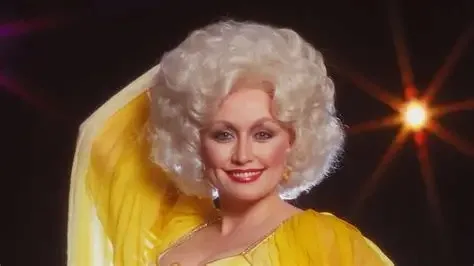
The Legendary Day in 1973
By the early ’70s, Dolly was in a massive creative groove, but she was also facing a massive crossroads.
In 1973, she sat down with her cassette tape recorder to capture some new ideas. Years later, when her team was digitizing her old archives, they made a mind-blowing discovery: the original rough demos for “Jolene” and “I Will Always Love You” were sitting right next to each other on the exact same cassette tape.
While Dolly later playfully joked they might have been penned a couple of days apart, both came from the exact same emotional season:
“Jolene” was born from a mix of lighthearted jealousy over a bank teller flirty-talking with her husband, mixed with the name of an 8-year-old fan who asked for an autograph.
“I Will Always Love You” was written as a loving farewell letter to her longtime duet partner and mentor, Porter Wagoner. She wanted to branch out on her own, and when words failed to persuade him, she sang him that song in his office. Tears rolled down his face, and he agreed to let her go.
Turning Down the King
After “I Will Always Love You” hit No. 1 on the country charts in 1974, Dolly got a call that would make almost any artist jump out of their skin: Elvis Presley wanted to record a cover.
She was over the moon. The studio was booked in Nashville, and she was set to go watch the King himself record her track. But the day before the session, Elvis’s notorious manager, Colonel Tom Parker, called with a catch: Elvis only recorded songs if the songwriter signed over 50% of the publishing rights.
“I said, ‘I can’t do that. Something in my heart says don’t do that.’ I couldn’t give up the publishing because I was leaving that for my family… I cried all night.”
She made the agonizing decision to turn Elvis down. It was a terrifying risk for a 28-year-old artist, but it proved to be one of the smartest business moves in pop culture history.
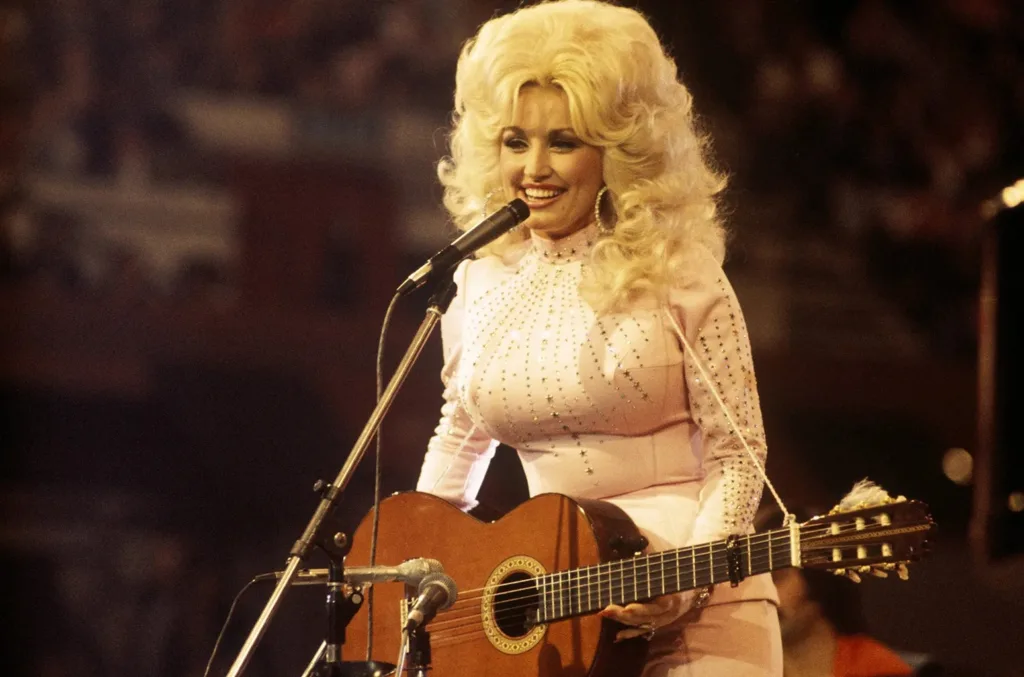
“The House That Whitney Built”
Fast forward to 1992. Director Kevin Costner was producing a movie called The Bodyguard, starring Whitney Houston. They originally planned for Whitney to cover “What Becomes of the Brokenhearted,” but when another film used it first, they scrambled for a replacement.
Costner remembered Dolly’s original track (and Linda Ronstadt’s 70s cover) and brought it to Whitney. He even fought hard for Whitney to sing that iconic first verse completely a cappella, despite studio executives panicking that radio stations wouldn’t play it.
Dolly hadn’t even heard Whitney’s version until she was driving down the road one day and heard it blast through her car speakers. She literally had to pull over because the vocal performance blew her away so completely.
The soundtrack went on to sell over 45 million copies. And because Dolly had refused to give up her publishing rights to Elvis 18 years earlier, every single cent of songwriter royalties went directly to her—earning her an estimated $10 million.
So, what did Dolly do with that massive windfall? She didn’t buy a fleet of luxury cars. Instead, she bought a large commercial strip mall in a historically Black neighborhood in Nashville. She wanted to support the local community and business owners there, warmly nicknaming the property “the house that Whitney built.”
A Heart That Gives Back
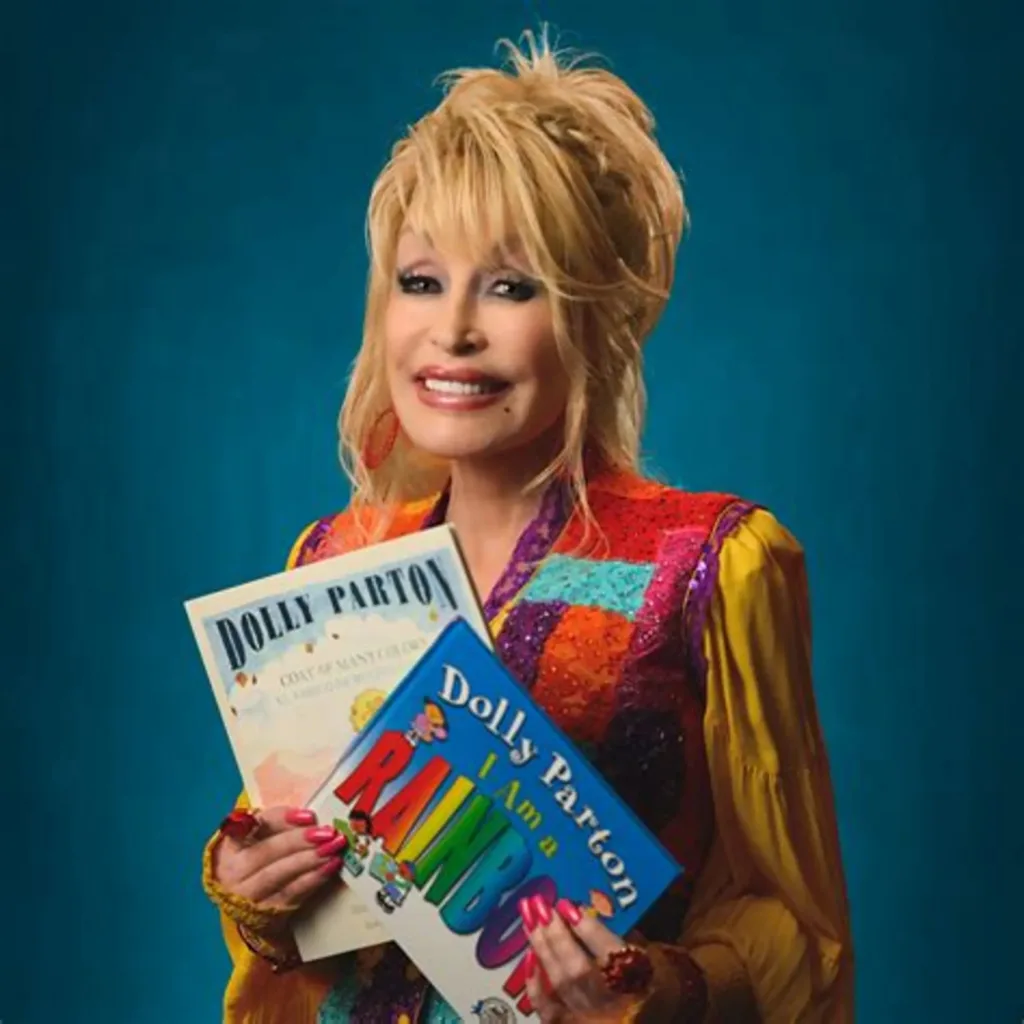
That decision was just a drop in the bucket compared to how Dolly has lived her life. She has spent decades pouring her fortune back into the world:
- The Imagination Library: Inspired by her own father, who never learned to read or write, Dolly launched a program in 1995 to mail free books to children every single month. Today, it has gifted over 300 million books to kids worldwide.
- Community Relief: When devastating wildfires scorched East Tennessee in 2016, her My People Fund gave direct cash payments to thousands of families who lost everything.
- Funding Medical Breakthroughs: In 2020, Dolly quietly donated $1 million to Vanderbilt University, directly backing early research that led to the Moderna COVID-19 vaccine.
Dolly Parton proved you can climb to the absolute top of the world without stepping on anyone else—and that true success is about how many people you pull up along the way.
